Moreton Bay Marine Park
Moreton Bay Marine Park
The Moreton Bay Marine Park waters are home to some amazing dive sites and marine life with experiences suitable for the beginner to the experienced technical diver. Please note that due to the nature of the unpredictable conditions we experience, we cannot guarantee a specific dive site for your trip. While we will do our best to get you there, all sites are subject to conditions, diver experience level, and minimum numbers.
| SNO | Suitable for snorkelling if surface conditions allow |
|---|---|
| OW | Site less than 18m depth, generally sheltered from current/swell |
| ADV | less than 30m, some current, surface conditions can vary |
| Master Diver | Depths to 40m, prone to strong currents, live drop/pick up likely |
| XR | Depth 20-45m, current, live drop/pickup, suitable for decompression dives |
| TXR | Deeper than 45m, trained and equipped technical divers only |
Boat Rock
- Depth –20-35m
- Difficulty level –Master diver/XR
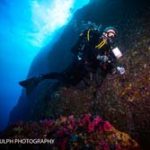 Sitting out in the high current area, this rocky outcrop has near-vertical walls dropping straight down to 25m. Current is nearly always running here, so divers are usually limited to the area behind the island in the lee of the current. This is another great dive to utilise our rental Suex scooters to explore the other smaller underwater pinnacles located nearby. Large pelagic sharks and barracuda are common here as they wait in the current for something tasty to swim by.
Blue Corner
- Depth –28-45m
- Difficulty level –Master Diver/XR
Bull Shark Bommie
- Depth –7-28m
- Difficulty level –Master Diver
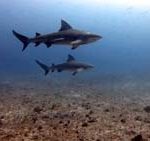 Located several hundred metres north of the Turtle Cave mooring, Bullshark Bommie is a large rock bommie rising from 28m up to 7m at its shallowest point. It can only be dived on calm days as waves are known to break on it when the swell is up. Named for the large bull sharks that frequent the seabed around the bommie, this site is nearly always subject to current, so experience in drift diving is a must.Along with the sharks, you'll encounter large Queensland groupers, fevers of cownose, mobula, and eagle rays,the odd turtle (and maybe even a whale, when in season ������).
Seven's Reef
- Depth –20-48m
- Difficulty level –XR/TXR –Experienced technical divers
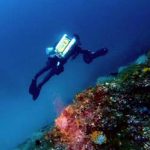 A large reef with huge 20m+ pinnacles rising from the seabed, Seven's Reef is a well known 'sharky' fishing spotlocated north of Flat Rock.With the shallowest point sitting at 20m from the surface and the bottom reaching close to 50m, this is an area prone to unpredictable visibility and strong currents at times. Marine life we've had at this site includes a large population of whaler sharks (bull, sandbar, bronze), humpback and minke whales, and even the odd white pointer! It's not uncommon to pass sharks on the descent as they head to the surface, attracted by the sound of divers splashing into the water. With the size of the reef area, this site is spectacular when utilising a Suex DPV.
29 Fathom Reef
- Depth –51-62m
- Difficulty level –TXR
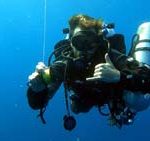 This site is Mantas' newest dive site and one we've just recently started exploring. This deep reef is located off Moreton Island, nearly straight east of South Channel, with a large section of reef stretching several kilometres and rising 5-10m off the sea bed. Due to regular fishing activity and infrequent dive visits, this area is prone to very active shark activity. At the bottom, large schools of baitfish hide from the barracuda and kingfish that zip in to hunt. Currents in this area can be strong and can also change at depth, so experience in open ocean decompression is a must to dive this site.
AHS Centaur
- Depth –2059m
- Difficulty level –James Cameron
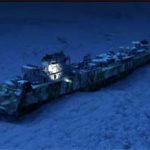 Located 23 nautical miles E/NE of Point Lookout lies the wreck of the hospital ship AHS Centaur, which was torpedoed by imperial Japanese submarine I-177 on 14thMay 1943, with a loss of 268 lives.While this site is not one we visit (due to its extreme depth and the fact that it's a war grave), it is an essential piece of Australian maritime history and a sad reminder of a time when global conflict reached our doorstep.
Amity Point
- Depth –5-15m
- Difficulty level –OW/SNO
Amity driftdive
- Depth –5-15m
- Difficulty level –Adv with 50+ dives
Shag Rock
- Depth –5 –18m
- Difficulty level -OW
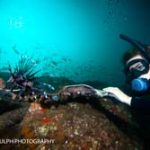 Our closest site to shore is located 800m directly from Home Beach. This is a fantastic "macro" site home to a wide variety of marine life, including turtles, wobbegong sharks, large schools of pomfrets and other sub-tropical fish and unique critters such as mantis shrimp and ghost pipefish. With several
diveable sites around the two rock outcrops, this is a terrific area for divers of all levels and spectacular for photographers.
Our closest site to shore is located 800m directly from Home Beach. This is a fantastic "macro" site home to a wide variety of marine life, including turtles, wobbegong sharks, large schools of pomfrets and other sub-tropical fish and unique critters such as mantis shrimp and ghost pipefish. With several
diveable sites around the two rock outcrops, this is a terrific area for divers of all levels and spectacular for photographers.
Manta Bommie
- Depth –5-15m
- Difficulty level –OW/ADV/SNO
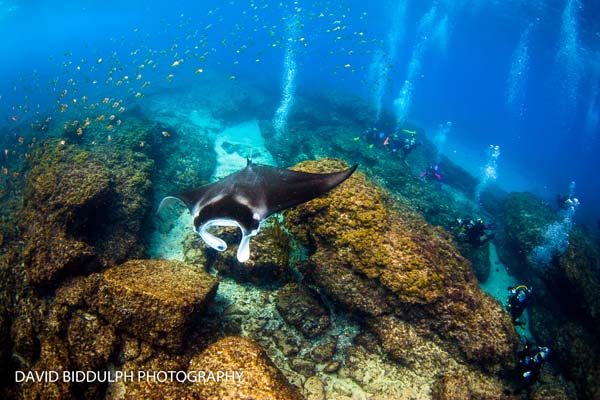
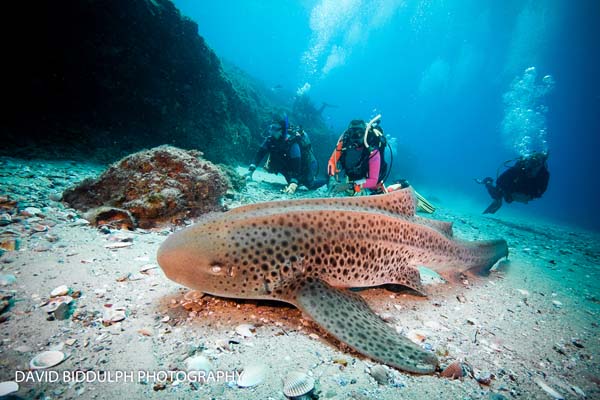
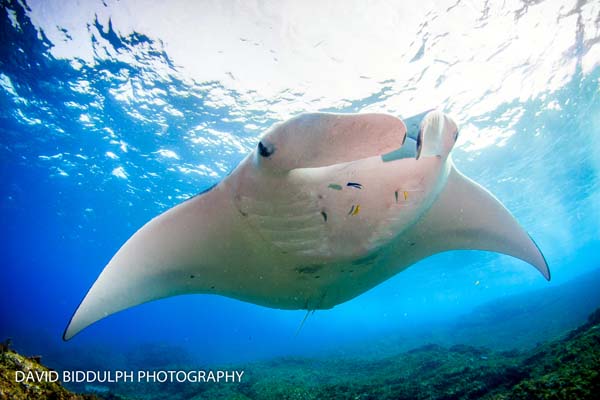
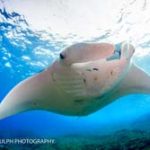 The site from which Manta Lodge gets its name is one of Australia's top 10 dive sites. This location of three rock outcrops known collectively as 'The Group' comes alive in the summer months (Oct-April) as migrating manta rays stop off to access the cleaning stations on several shallow bommies. Along with plenty of manta magic, you'll also see large numbers of leopard sharks, guitarfish, several species of large stingray, and marvel at octopus hidden in the rocks. While it can be a challenging dive with the area prone to current and swell, it's a must-dive site for all divers to get their 'manta moment'.
Turtle Cave
- Depth –10-30m
- Difficulty level –ADV
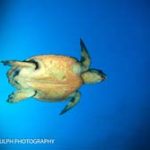 Located on the NW side of Flat Rock, this is a spectacular site home to varied marine life, both large and small. Located several kilometres offshore, excellent visibility is more common out here due to prevailing currents ('The EAC, dude!'). Divers can marvel at large schools of inquisitive batfish, sneaky barracuda, majestic turtles, and several species of pelagic sharks that also frequent the area. Over winter, large fevers of eagle rays, grey nurse sharks -and even humpback whales! -are spotted by lucky divers here. This site is also the chosen destination for our yearly solo-visiting whale shark, which has popped in for a day or two the last few years between February and April, to our surprise and delight.
Shark Alley
- Depth –18-26m
- Difficulty level -ADV
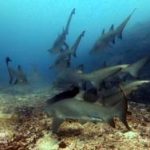 Like sharks and winter diving? Then this site is for you! Located on the opposite side of Flat Rock from Turtle Cave, we predominantly dive this site in winter when large numbers of grey nurse sharks reside on the sand channel between the two large sections of the reef. Humpback whales are also common in this area, along with the odd bull shark or sandbar whaler. A terrific place to get up close with some large sharks!
The Nursery
- Depth –4-18m
- Difficulty level –OW/SNO
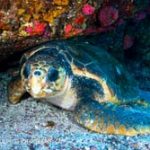 A magic site best dived when we have strong northerly winds, this shallow site is home to lots of juvenile fish and pretty plant and coral life.
Big Bay
- Depth –8-18m
- Difficulty level –OW/ADV/SNO
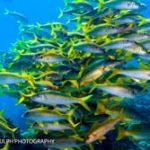 On the northern (ocean) side of Flat Rock, we'll usually head here when we have strong westerly winds and/or swell hitting the other areas of Flat Rock.
Middle Reef
- Depth –15-27m
- Difficulty level –ADV
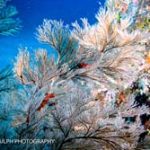 Usually hammered by current and often forgotten, this large reef area is similar in composition to Shag Rock, with several large pinnacles and overhangs home to turtles and wobbegong sharks.
Artificial Reef
- Depth –14m
- Difficulty level –OW
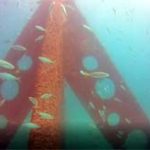 Installed in late 2019, while we are not actively running trips to this site yet, it will be a great site once its ecosystem is established. With large metal structures that are already showing some marine growth, attracting a range of marine life, it will be a great entry-level site in the future.
South Gorge
- Depth –5-14m
- Difficulty level –OW/SNO
Roaring Deep
- Depth –20-34m
- Difficulty level –Master Diver/XR
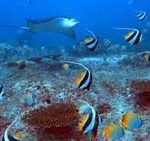 A favourite dive of the Manta Lodge staff, this drift dive is for experienced divers who love their dives at high speed with an overload of marine life. Starting at the Turtle Cave mooring, this dive involves a drift around the ocean side of Flat Rock, finishing either at Shark Alley's mooring or in a blue water ascent, where you may encounter large numbers of pelagic whaler sharks that frequent the deep waters in the area. With large fevers of rays, schools of Queensland groupers, bull sharks, sandbar whalers, barracuda, tuna, and even humpback whales (when in season), this dive, while challenging, is also the most rewarding.